Who Is at Fault When Hitting a Parked Car?
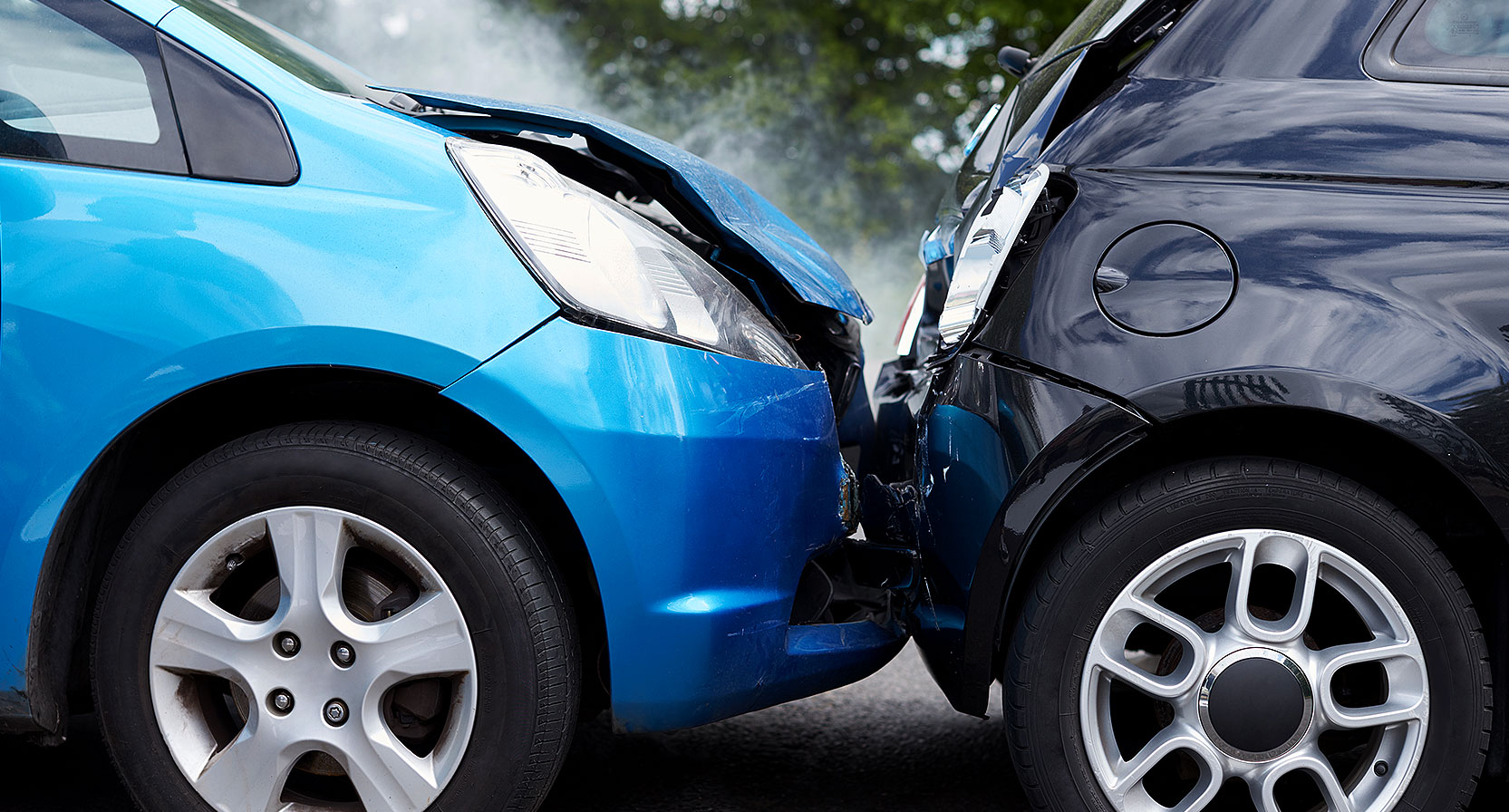
In most cases, the at-fault driver is the person behind the wheel of the moving car. A parked car cannot move. It cannot brake, swerve, or dodge out of the way. This one fact drives most fault determinations in car accident cases across the country.
This topic falls under tort law, the branch of law that addresses harm caused by one person to another. Still, the answer is not always simple. Some crashes involve an illegally parked car, a dark street, or a driver who had no time to stop. This guide covers the full picture of liability in hit-and-park cases, plus what to do next.
The General Rule: The Moving Vehicle Is Usually at Fault
Parked cars cannot avoid a crash. Only the driver in motion can slow down, turn, or brake. This is why courts and insurers tend to assign liability to the moving vehicle in most cases involving parked cars.
The law expects every driver to use reasonable care while driving. This means staying alert, driving at a safe speed, and watching for objects in the road, including parked cars. When a driver fails to do this, it is called negligence in car accidents, or simply negligent driving.
Negligence has four parts, according to legal sources:
- Duty of care while driving. Every driver must drive safely and avoid harming others.
- Breach of duty. The driver fails that duty, often through careless or reckless driving.
- Proximate cause. The driver’s actions directly caused the crash.
- Damages. The crash causes real harm, such as in a stationary-vehicle accident involving property loss or injury.
Proving negligence often comes down to one question: could the driver have avoided the crash? If yes, that driver usually carries most of the driver’s responsibility for the wreck.
Common causes of an avoidable collision include:
- Distracted driving accident, such as texting while driving
- Driver inattention, also called failure to maintain lookout
- Speeding
- Drunk or impaired driving
Many of these crashes are preventable accidents. A moment of focus could have stopped the damage before it started.
When Fault Can Shift to the Parked Car’s Owner
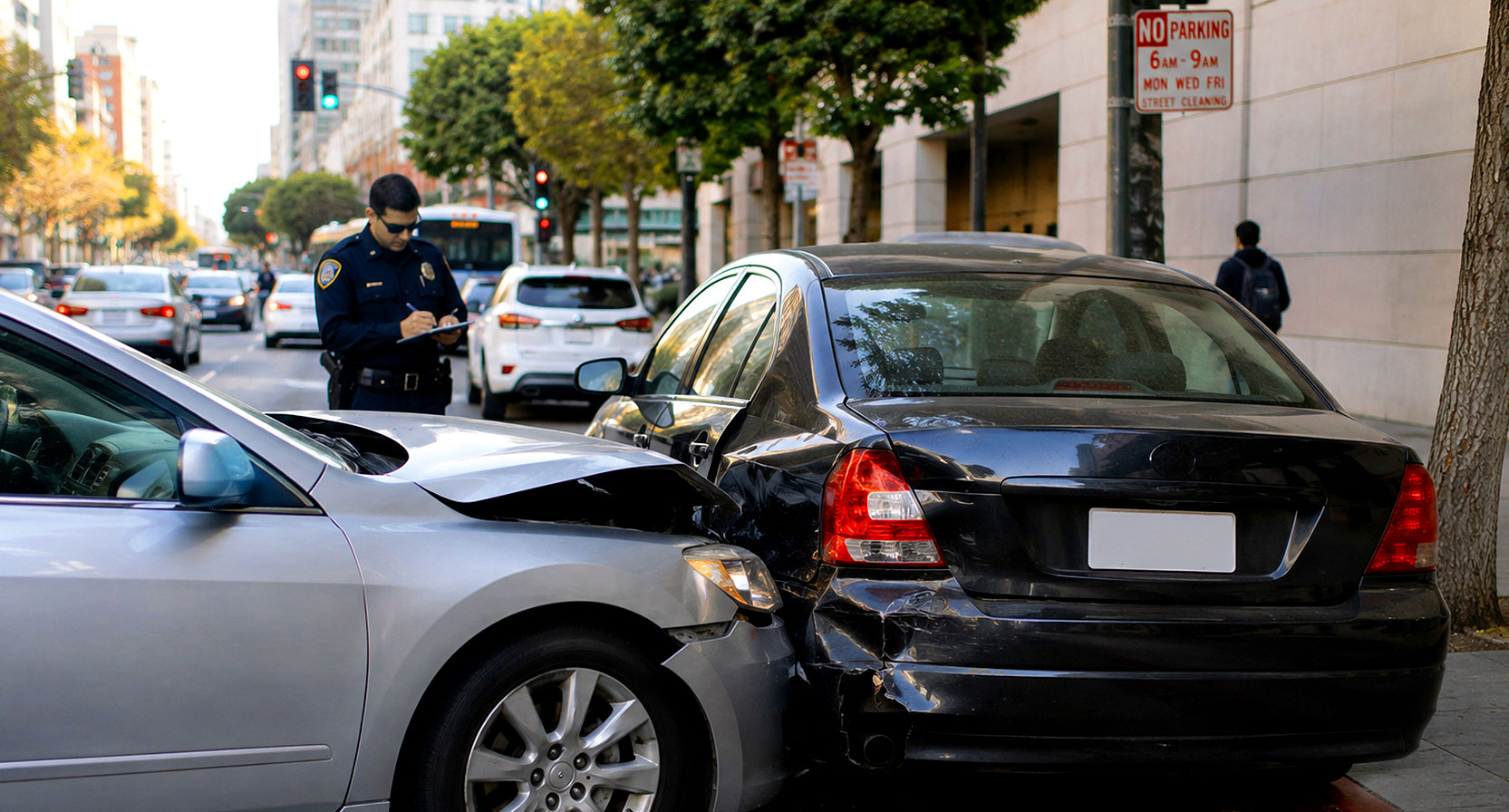
Sometimes the owner of the parked car shares part of the blame. This is often called a shared fault accident. It usually happens when the parking breaks a rule in a way that makes the car hard to see or avoid.
Illegally Parked Vehicles
An illegally parked car does not always mean the owner is at fault. Courts look at why the parking was illegal. If a car sits in a fire lane or is a double-parked car, but is still easy to see, the moving driver is often still fully responsible.
Common improperly parked vehicle situations include:
- No parking zone violation
- Fire lane parking violation
- A car is parked in front of the driveway, where a driver backing out is expected
- Parking on the shoulder without pulling far enough off the road
These are forms of a parking code violation. Local rules, such as the California Vehicle Code, spell out where cars cannot legally stop or park. Breaking one of these vehicle code parking rules only creates real parking violation liability if it also makes the crash harder to avoid.
Poor Visibility Situations
If a parked car is hard to see, fault can shift toward its owner. This often happens when:
- An object is blocking the visibility of a parked car
- A car sits there parked without lights at night
- The car is in an obstructed-view parked vehicle spot, such as just past a blind curve
In these cases, the moving driver may argue that they had no real chance to see the danger in time. This can create a hazardous parking condition or an unsafe parking location, placing the owner on the hook.
Improperly Executed Parking
A car parked in a rush can also create risk. This includes a car left sticking too far into a lane, or damage caused while hitting a car while parallel parking.
Comparative and Contributory Negligence Explained
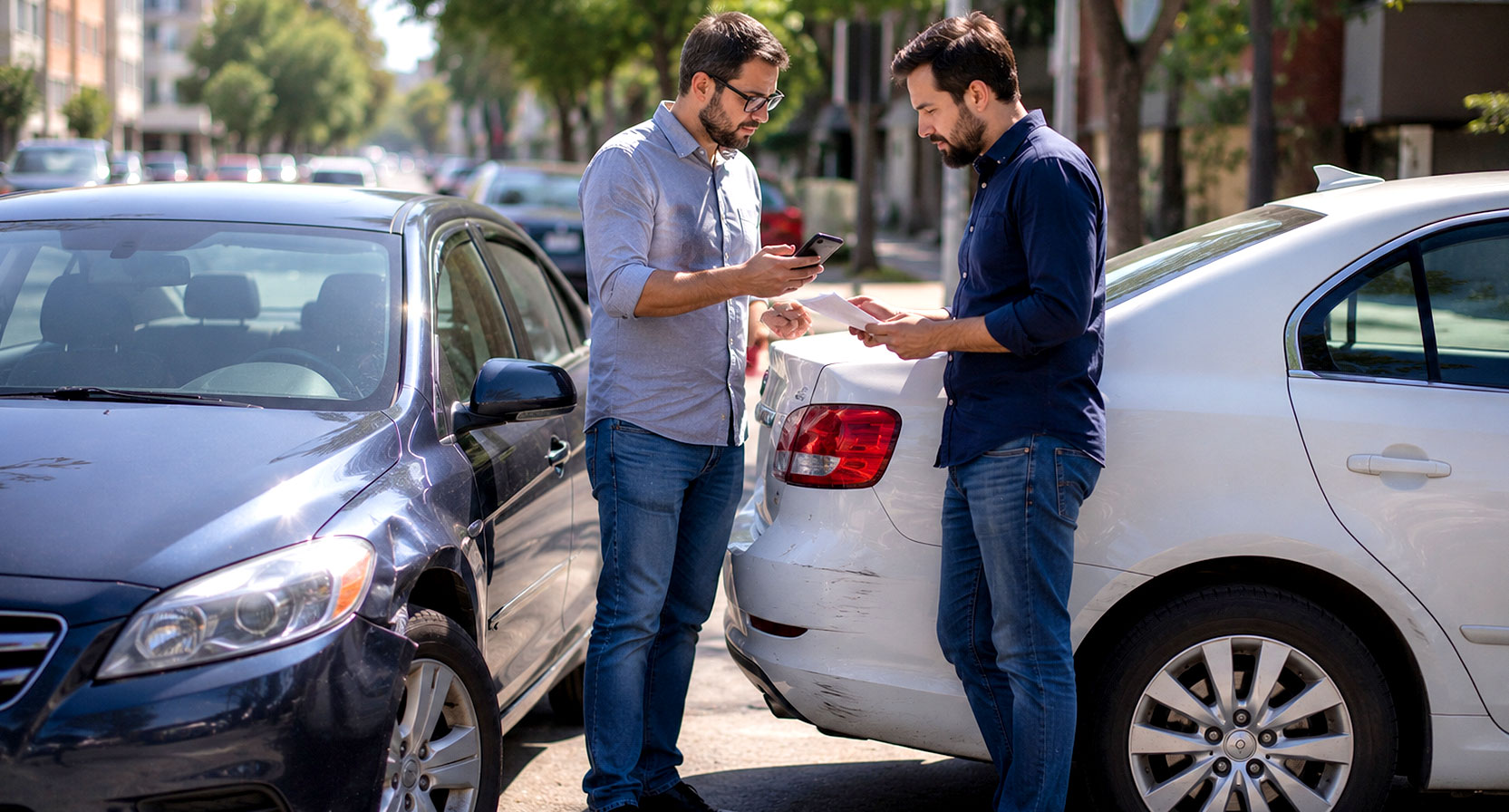
Most states use some form of comparative negligence to split blame and decide how much each driver owes.
Pure Comparative Negligence States
Under a pure comparative fault system, a driver can still recover damages even if they bear most of the blame. Their payout simply shrinks based on their share of fault.
Modified Comparative Negligence States
Many states use modified comparative negligence, often called the 50% rule or the 51% rule. Under this rule, a driver cannot collect money if they carry more than half the blame. Georgia follows a version of this rule under OCGA §51-12-33, which allows a driver to recover damages as long as they are not more than 50% at fault.
Pure Contributory Negligence States
A small group of states, including Alabama, follows pure contributory negligence. Here, a driver who holds even a small share of blame may not collect anything at all.
How Shared Fault Changes a Payout
Here is a simple example of reduced damages by fault percentage:
- Total damage: $10,000
- Driver’s share of blame: 20%
- Amount they can collect: $8,000
This process is known as fault apportionment. It can lead to joint liability, in which two drivers share blame for a crash. A partial-fault car accident like this often requires a close look at the degree of fault each side bears.
Special Scenarios That Change Who’s at Fault
Not every parked car crash follows the basic rule. Some situations are more unusual.
Parking Lot Accidents
A parking lot accident fault case follows rules much like those on the road. This covers cases of backing out of a parking space, a parking garage collision, or a small fender-bender parking-lot bump.
The driver with the best chance of stopping or steering away is usually the one at fault. This makes parking lot fault determination and reversing accident liability tricky, since both drivers may be moving. A blind-spot parking-lot accident often requires security footage or witness accounts to sort out.
Parking lot right-of-way rules matter too. A driver backing out of a spot often owes more care, since they have less view than a driver already moving through the lot.
A Passenger Opens a Car Door Into Traffic
If someone opens a car door into a moving lane, and a driver cannot stop in time, the person who opened the door is often the one at fault, not the driver.
Chain-Reaction Crashes
Sometimes, a narrow-road parking collision occurs when a third car pushes another vehicle off course. Fault usually falls on the driver who caused the first crash, not on the one who was pushed into the parked car.
Driver Medical Emergencies
A sudden medical event, such as a seizure, may reduce the blame on a driver who loses control. Courts look closely at whether the emergency was truly unexpected.
Backing Into or Sideswiping a Parked Car
Backing into a parked car and sideswiping a parked car are two of the most common crash types. Both usually place fault on the moving driver, since they had control of the vehicle at the time.
What to Do If Your Parked Car Was Hit
If someone hits your parked car, follow these steps:
- Take clear photos of the damage from several angles.
- Write down the time, date, weather, and exact location.
- Look for any eyewitness testimony of an accident that could support your claim.
- File a police report for a car accident if the damage is major.
- Contact the other driver’s insurer to start a property damage claim.
Gathering strong evidence about car accident habits early on can help a lot later, especially if fault becomes an issue. If the case feels unclear, a quick legal consultation or car accident review can help you understand your options.
Is Hitting a Parked Car a Hit and Run or a Crime?
Hitting a parked car is not a crime by itself. It is simply an accident. But leaving the scene of an accident without trying to find the owner can result in a hit-and-run.
Hit-and-run penalties vary by state, but they can include fines, license points, or even jail time. Most states require drivers to make a real effort to find the vehicle’s owner before leaving the scene.
How Insurance Handles a Parked Car Accident
After a crash, you can usually file a claim in one of two ways:
- An auto insurance claim with the at-fault driver’s insurance
- A claim through your own collision coverage
Filing an insurance claim with the at-fault driver’s policy often protects your own rates. An insurance rate increase after an accident is more common when you file through your own policy, even if the crash was not your fault, since insurers may still count it as added risk.
Your insurer will often start an insurance adjuster investigation, and may use accident reconstruction to sort out the details. This leads to an insurance company fault determination, which decides who pays. After paying a claim, an insurer may also use subrogation, seeking repayment from the at-fault driver’s insurer.
Do You Need a Lawyer for a Parked Car Accident?

Not every crash needs a car accident lawyer. Small, clear cases often settle fast through insurance alone.
You may want to speak with a personal injury attorney if:
- Fault is unclear or disputed
- You were hurt while sitting in a parked car
- The other driver’s insurer denies your claim
- Damage costs are high
A lawyer can help with filing a lawsuit for car damage, especially if talks with the insurer stall. This often starts with a demand letter that insurance companies review before agreeing to negotiate a settlement for a car accident. If no fair deal is reached, the case may move to a civil court car accident claim, or, for smaller amounts, a small claims court vehicle damage hearing.
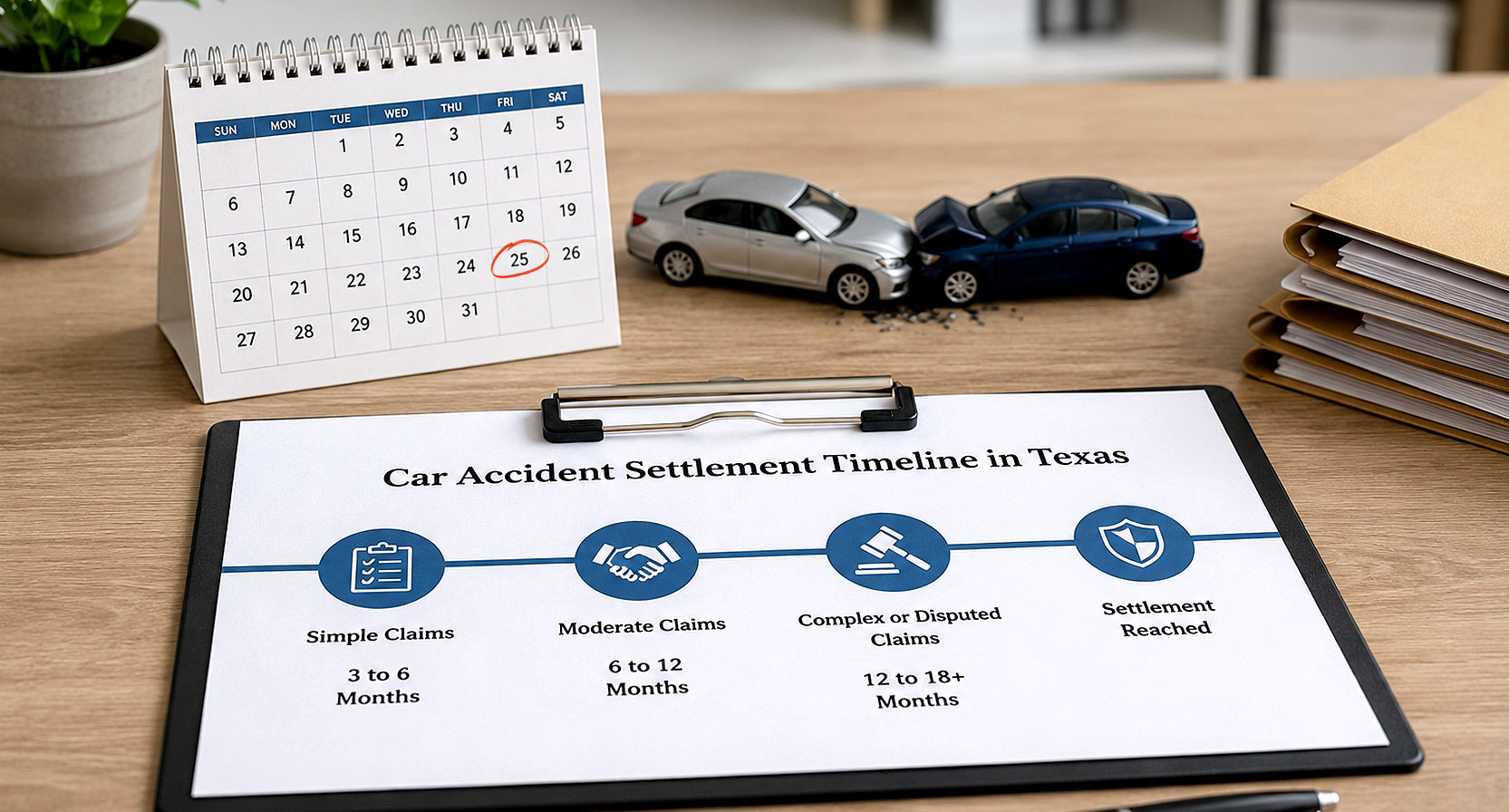
Watch the statute of limitations for car accident rules in your state. Texas law (Tex. Civ. Prac. & Rem. Code § 16.003), for example, gives injury victims 2 years to file suit. Waiting too long can mean losing the right to collect recoverable damages at all.
What Compensation Can You Recover?
If another driver is at fault, you may be able to recover:
- Vehicle repair costs
- A diminished value claim, if the car’s resale value drops after repairs
- Medical expenses for a car accident, if you were hurt
- Pain and suffering damages, in cases with injury
- General compensation for car accident losses tied to the crash
A solid property damage compensation claim usually needs clear proof, such as repair estimates and photos.
Frequently Asked Questions
Can a parked car be at fault for an accident?
Yes. If the car was parked illegally in a spot that was hard to see, its owner may share part of the blame.
What happens if you hit a parked car and no one is around?
Leave a note with your contact information, and consider calling the police, especially for larger damage.
Is hitting a parked car always your fault?
No. Fault can shift if the parked car was hard to see or if it broke parking rules that caused the crash.
Does my insurance rate go up if I hit a parked car?
It can, especially if you file the claim through your own policy instead of the at-fault driver’s insurance.
What if I hit an illegally parked car?
You may still be found at fault, unless the illegal parking made the car truly hard to see or avoid.
How long do I have to report hitting a parked car?
This depends on your state. Many states expect prompt reporting, often within a day, if the damage is significant.