
Surveillance Footage Preservation Notice Sample for Injury Claims
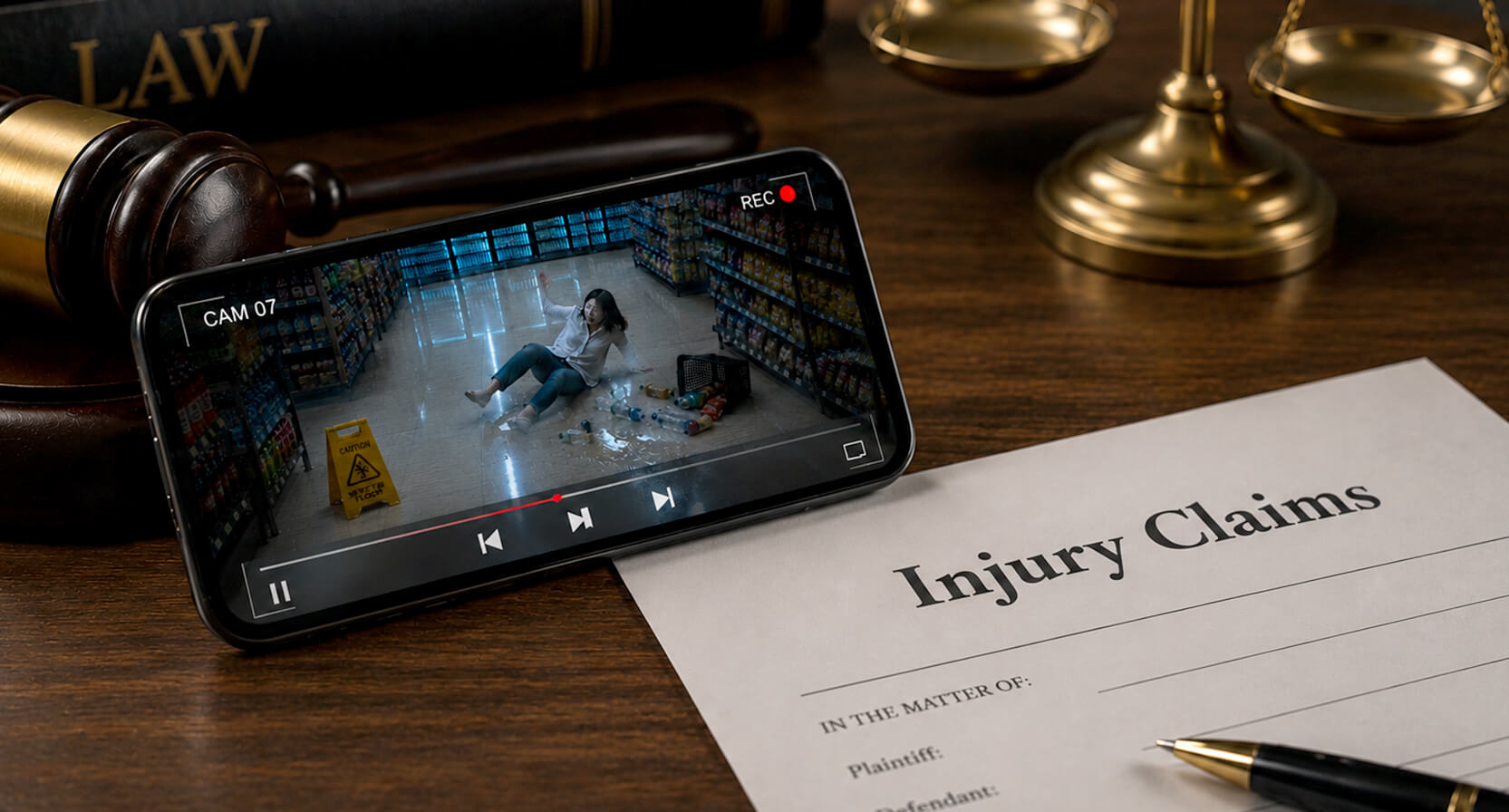
When someone is injured in an accident, surveillance camera and CCTV footage can be strong evidence in an injury claim or civil litigation case. This video can show exactly how the accident happened, which helps with negligence claims and settlement talks. But video does not stay forever. Many systems erase recordings quickly unless someone asks in writing to stop deletion and preserve the footage.
A surveillance footage preservation notice (also called a preservation of evidence letter, spoliation letter, or litigation hold notice) instructs a property owner, business, or other party to preserve all video and related digital evidence. This notice warns them not to delete, overwrite, or destroy anything that could help your case. It shows that litigation is expected and creates a legal duty to keep the evidence.
Sending this notice promptly is critical because once the video is gone, it may never return. A well-written notice may be sent by you or by a personal injury lawyer acting on your behalf to help protect key evidence such as security footage, incident documentation, and other records. Acting early can strengthen your claim and protect your rights in settlement or in court.
What Is a Surveillance Footage Preservation Notice?
A surveillance footage preservation notice is a formal legal document that requires a person, business, or group to retain all relevant security footage and other records in the event of an injury claim. This notice asks them not to delete, overwrite, destroy, or change anything that could be useful as video evidence in a case. It is often sent before a case or lawsuit starts to protect evidence showing how an accident happened. Because video systems can quickly delete old recordings, this notice must be sent early so the footage is not lost.
This type of letter is sometimes called different names. People may call it a preservation of evidence letter, legal hold notice, litigation hold, or spoliation letter. All these terms mean the same thing: a written request to protect evidence for legal reasons.
A notice like this is key when you believe a serious accident has happened and you plan to make a claim for injury compensation. It tells the other party they now have a duty to stop their normal evidence retention policy and save everything that matters. This includes surveillance camera footage, incident investigation reports, photos, emails, and any other digital evidence tied to the accident.
Who Sends the Notice
A personal injury lawyer, plaintiff attorney, or the injured person may send this notice. Sometimes a claim is handled by a law firm that knows how to properly preserve evidence. This helps ensure the notice meets legal standards and is taken seriously by the other party.
Who Receives the Notice
A notice may go to:
- A property owner
- A business or store manager
- A security manager
- A claims department at an insurance company
- A third-party security vendor that controls cameras or footage
For example, if you slipped and fell at a store, the store owner may have CCTV footage of the fall. Sending a preservation notice tells them to keep that video safe while you pursue your injury claim.
When Should You Send a Preservation Notice?
You should send a preservation notice for surveillance footage as soon as you expect an injury claim or lawsuit. The moment you reasonably think the accident may lead to legal action, the duty to preserve video and other important evidence begins. This means you need to act fast, often within days of the incident, so security footage, CCTV footage, or other video evidence is not automatically deleted or overwritten.
Send the Notice Early
Most video retention systems automatically record over old footage. Some businesses may keep recordings for only a couple of weeks. Because video can disappear on its own, you shouldn’t wait. Sending your notice promptly helps ensure the footage remains in the system when the recipient receives the letter.
A formal preservation of evidence letter or spoliation notice should be sent soon after the injury. This gives the receiving party clear instructions to stop routine deletion and keep the evidence safe until your case is resolved.
Essential Elements of a Surveillance Footage Preservation Notice

A strong surveillance footage preservation notice must clearly request that the other side protect important evidence related to your injury claim. The goal is to stop any automatic deletion, overwriting, alteration, or destruction of evidence until your case is resolved. This written demand creates a legal duty to preserve evidence once litigation is reasonably anticipated.
Clear Identification of Parties and Incident
Your preservation notice should start by naming the sender and the intended recipient. Include the date and location of the accident, and describe what happened in simple language. This helps the recipient know exactly which event and evidence your claim involves, such as security camera or CCTV footage from the scene.
Specific Details of the Evidence to Preserve
Next, you must list what evidence needs to be saved. Be specific so the recipient knows what to preserve. This should include:
- All surveillance footage from cameras covering the accident time
- Video from before and after the incident to capture the full context
- Any related digital evidence, such as video files on servers, incident documentation, or backups
- Logs or metadata showing how footage was recorded and stored
Being clear and specific strengthens your notice and makes it harder for the other side to claim they did not understand what you wanted.
Statement That Litigation Is Anticipated
The letter should explain that you plan to pursue legal action if a claim becomes necessary. This tells the recipient that they have a duty to preserve the listed evidence, even if you have not yet filed a lawsuit. Knowing that legal action is expected makes the duty to preserve clear under the law.
Legal Warning Against Destruction of Evidence
Include a warning that if the other party ignores the demand and deletes or destroys the requested evidence, a court may impose penalties. These can include sanctions, adverse rulings, or limits on the evidence they can later use. This warning should be simple but firm, so the recipient understands the seriousness of the notice.
Contact Information
Finally, include your full contact details so the recipient can respond and confirm that they will preserve all requested evidence. A clear point of contact improves communication and documents receipt of the notice.
Surveillance Footage Preservation Notice Sample for Injury Claims
Here is a sample preservation notice you can use as a starting point in an injury claim.
[Your Name]
[Your Address]
[City, State ZIP]
[Phone Number]
[Email Address]
[Date]
[Recipient Name]
[Recipient Title / Company Name]
[Business Address]
[City, State ZIP]
Re: Preservation of Surveillance Footage and Relevant Evidence
Dear [Recipient Name],
I am writing regarding an incident that occurred on [Date of Incident] at [Time of Incident] at [Location of Incident]. I was involved in this event and suffered injuries that may lead to a legal claim. Your property’s security footage, including CCTV recordings and other digital evidence, may reveal key details about how the accident occurred.
Please preserve all video recordings from all cameras covering the incident area and time immediately. This includes video from before, during, and after the incident, as well as any backups stored on servers, in the cloud, or in other video retention systems. Do not delete, overwrite, alter, conceal, or destroy any recordings, logs, or related materials.
This notice formally places you on legal notice that litigation is reasonably anticipated. Therefore, you have a duty to preserve all potentially relevant evidence, including:
- All surveillance footage and CCTV footage for the period of interest
- Any incident documentation or logs tied to the cameras
- Records stored in electronic systems, backup drives, or archived locations
- Any other materials that may be relevant to my claim
Failure to preserve this evidence could result in legal consequences, including, but not limited to, court sanctions, spoliation penalties, or adverse rulings that could affect the outcome of the case.
Please confirm in writing that you have received this notice and have taken the necessary steps to preserve all relevant evidence. You may contact me at the information listed above.
Thank you for your prompt attention to this matter.
Sincerely,
[Your Printed Name]
What Happens if Surveillance Footage Is Destroyed
When you send a surveillance footage preservation notice or spoliation letter to protect video evidence in an injury claim, something important happens: the other party gains a legal duty to preserve the footage and other relevant evidence. This duty begins once litigation is reasonably foreseeable, even before you file a lawsuit. The notice makes it clear that evidence must not be deleted, changed, or destroyed.
If the other party ignores the preservation notice and surveillance camera footage, CCTV recordings, or other digital evidence is deleted or destroyed, the court may treat that as spoliation of evidence. Spoliation occurs when evidence is lost or altered after the duty to preserve arises, and it can lead to serious consequences in court.
Possible Court Penalties for Destroyed Footage
- Adverse Inference Instructions: The court may instruct the judge or jury that they may assume the destroyed evidence would have helped your side.
- Monetary Sanctions: The court may impose a fine on the party that failed to preserve the evidence.
- Limits on Evidence: The court could later restrict what the other side can use as evidence.
- Case Dismissal or Default Judgment: In extreme cases, a judge might dismiss the other side’s claims or enter a default judgment if evidence was destroyed on purpose.
Why This Matters in Injury Claims
Preserving evidence such as surveillance footage, security footage, incident documentation, and other files helps ensure your injury claim is fair and supported by the facts. Without this evidence, your ability to prove that someone else was responsible for your injury may be weaker.
Sending a preservation request quickly after an accident also helps stop routine deletion or overwriting that many video retention systems perform automatically. Acting early increases the chance that crucial proof still exists when you need it.
Can You Request Surveillance Footage Without a Lawyer?

Yes, you can try to request surveillance footage on your own to support an injury claim, but there are important steps and limitations to keep in mind. Doing it right can increase your chances of obtaining the evidence you need without immediately hiring a personal injury lawyer.
1. Ask Directly and Act Fast
If the accident occurred on business or private property, you can start by asking the owner or manager for the video. Video from security cameras or CCTV footage may be erased quickly if you wait too long, so make your request right away.
To do this:
- Call or visit the site as soon as possible.
- Tell the person you think their cameras captured your accident.
- Provide clear details: date, time, and location of the event.
2. Put Your Request in Writing
Sending a written request letter helps create a record that you asked for the footage. This can make it easier to prove later that you tried to obtain the evidence. A simple letter should include the date, time, location, and what footage you need.
Helpful tips for your written request:
- Be specific about when and where the incident happened.
- Include your name and contact details so they can reply.
- Ask politely but clearly for a copy or preservation of the video.
Sample letters for CCTV requests show how to format your letter to a business or organization to view or preserve footage.
3. Understand What Businesses Must Do
Remember that private businesses or owners don’t have to give you footage just because you ask. They own that video, and their policies or legal concerns may limit what they can share.
For example:
- A business may say no for privacy reasons.
- They might only release footage to law enforcement or through a formal process.
4. Consider Involving Police or a Subpoena
If you cannot get the video after asking directly, there are other steps:
- Police or law enforcement: If the accident was reported, officers may request footage on your behalf.
- Subpoena: Once you file a lawsuit, your attorney (or you in court) can request a subpoena to legally force the other party to provide footage.
A subpoena is a formal court order requiring the video owner to produce the footage. Without it, many businesses are not legally required to hand over their surveillance data.
5. Know When You Might Need a Lawyer
While you can start the process yourself, there are times when working with a personal injury lawyer matters:
- If the footage owner refuses to cooperate.
- If the footage may be deleted soon.
- If your injury claim is serious or complex.
A lawyer can help send a strong spoliation letter or surveillance footage preservation notice, and can pursue a subpoena if needed, increasing your chance of getting the key video evidence preserved for your injury claim.
Frequently Asked Questions
How long do businesses keep surveillance footage?
Many businesses keep CCTV footage for only a short time, sometimes as little as a few days or weeks, before it is automatically erased. Early written notice is critical to stop routine deletion.
Can a preservation notice make footage legally binding?
A preservation notice doesn’t create a new law, but it clarifies and makes a recipient’s existing duty to preserve evidence clear and undeniable. Once the notice is sent, the other party should not delete or alter evidence.
What if the other party still deletes the footage?
If footage is destroyed after proper notice, courts may impose sanctions, adverse-inference instructions, fines, or limits on what the other side may use in court.
Do I need an attorney to send a preservation notice?
You can send the notice yourself, but working with a personal injury lawyer ensures the letter is legally precise and increases the chance that custodians take it seriously and follow through.
Will a preservation notice help with discovery later?
Yes. A well-drafted notice not only protects evidence early, but it also builds a record that can support later discovery processes and formal requests once litigation begins.