
What Insurance Companies Don’t Want Juries to Hear
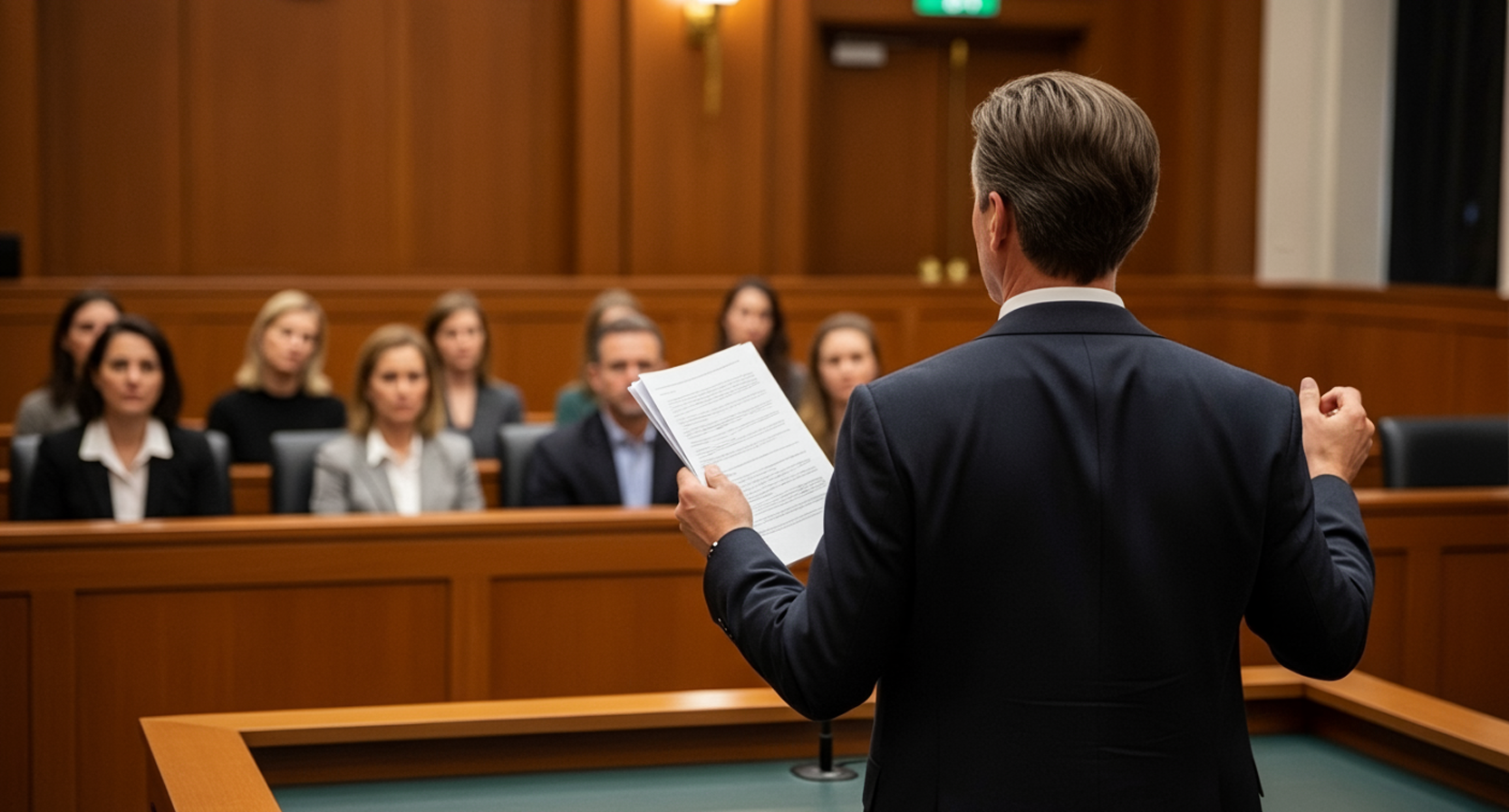
Personal injury cases are often decided by a jury of regular people. These cases involve accidents, injuries, and often monetary awards. People expect the jury to hear all the important facts before they decide who is at fault and how much money should be paid. But in many cases, juries are not allowed to hear about insurance companies or liability insurance at all. This means jurors do not know that the person who caused the injury, or the company they work for, has insurance that would pay the verdict.
In a personal injury trial, the rules of evidence say juries should not hear about liability insurance when deciding whether the defendant was negligent or wrongful. This rule is meant to prevent jury bias and ensure fair decisions. The rule is found in Federal Rule of Evidence 411, which says evidence about whether a person has liability insurance cannot be used to prove who was at fault. The idea is that jurors might give too much or too little money if they know an insurance company will pay, rather than the real person.
In many personal injury cases, the real fight is between the injured person and the insurance carrier, even though the jury thinks it is between two people. Jurors do not know how much insurance there is or how insurance companies may try to delay, deny, or reduce compensation. This secrecy helps insurance companies protect their bottom line and can affect how much money the injured person gets.
The Core Legal Rule: Why Insurance Is Kept from Juries
1. Rule 411 and Evidence Law
In most personal injury trials, jurors are not told about liability insurance or insurance policy limits. This is because of a rule in the Federal Rules of Evidence called Rule 411. Rule 411 says that evidence that a person was or was not insured against liability cannot be used to prove whether that person acted negligently or wrongfully. This means jurors cannot hear that the defendant has insurance that could pay the verdict. The rule is meant to keep prejudicial evidence out of court so jurors decide the case on facts, not on who may pay the money.
Rule 411 does allow insurance evidence in limited situations. For example, it may be used to show a witness’s bias or to prove ownership, agency, or control of something in the case. But jurors may still not hear about insurance when deciding fault or damages.
2. The Stated Rationale
The main reason for keeping insurance hidden is to avoid jury bias. If jurors know that an insurance company stands ready to pay, they might think differently about how much money to award. They might give a higher award because they believe the insurance company has deep pockets. Or they might give a lower award because they feel sorry for the defendant and don’t want to put a regular person in financial trouble. Rule 411 helps courts avoid these kinds of influences so the jury focuses on the facts of the accident rather than who will pay the bill.
In a personal injury case, the actual fight is often between the injured person and the insurance carrier, even though the jury thinks the fight is between two individuals. Jurors hear only the name of the person being sued, not that an insurance company will pay the money if the plaintiff wins. This is part of the legal strategy in many personal injury cases.
What Juries Actually Don’t Hear
1. The Existence of Liability Insurance
In most personal injury trials, jurors are not told that the defendant has liability insurance at all. The law says juries cannot hear evidence of whether a person was insured against liability when deciding fault or damages. This is because courts believe that if jurors know about insurance, they might change their view of the case and award a different amount. This rule is part of the Federal Rules of Evidence and is known as Rule 411. Jurors often think they are deciding the case between two people, but in reality, the insurance company is paying for the trial and may pay the verdict.
2. That Insurance Will Pay the Verdict
Juries also do not hear that an insurance carrier will likely pay the money if the plaintiff wins. Even though insurance usually pays the final verdict in a personal injury case, jurors rarely know this. Most jurors assume the defendant will use their own money if they lose. This can lead jurors to give lower awards because they feel sorry for the defendant and do not want to bankrupt “an everyday person.” Insurance companies and their attorneys know this is true and the law works to their advantage.
3. Who Controls Settlement and Trial Decisions
Jurors are also not told that the insurance company makes most of the important decisions in the case. The defense attorney who appears in court is usually paid for and directed by the insurance company. The insurance company decides whether to settle the case or take it to trial, but jurors do not know this. They think the named defendant is making all the choices. This hidden role of the insurance company shapes the trial strategy in ways jurors do not see.
4. Motions to Exclude Insurance Evidence
Because of Rule 411, attorneys regularly file motions in limine to keep any mention of insurance out of the courtroom. If insurance is mentioned improperly, a judge may order a mistrial because jurors could be influenced by it. The idea behind excluding this evidence is to prevent jury bias, so jurors focus only on the facts of the accident and not on who will pay the verdict. However, this also means jurors have less information about the true workings of personal injury cases.
Why This Matters in Personal Injury Trials

1. Jury Perceptions and Decision-Making
In most personal injury cases, jurors do not know that the case is really about insurance coverage and the insurance carrier behind the defendant. Instead, jurors believe the injured person is suing another individual or company. This can shape how the jury thinks about the case. Jurors may hesitate to award full compensation if they think the defendant will have to pay out of their own pocket, even though the liability insurance would actually pay most or all of the award. This can lead jurors to give lower verdicts than the actual harm suffered by the injured person.
Rule 411, a rule of evidence, is the main reason insurance information is kept from the jury. It says evidence that a person “was or was not insured against liability” cannot be used to prove fault or negligence. This rule exists to try to prevent jury bias if jurors know about insurance. But this same rule also means jurors do not know that an insurance company will likely pay the verdict if they decide in favor of the injured plaintiff.
2. Impact on Verdicts and Fair Compensation
Because jurors do not know about insurance coverage, they may make decisions that hurt the injured party. If jurors think that a defendant will have to pay all damages from personal funds, they may award less money to the injured plaintiff. This can result in verdicts that fall far short of what the injured person truly needs to cover medical bills, lost wages, and long-term care.
Keeping insurance hidden can help insurance companies protect their profits and reduce the total payout. This means that even when a jury finds the defendant at fault, the injured person may receive much less real compensation than the cost of their injury.
3. Insurance Company Tactics
In most personal injury lawsuits, it is the insurance carrier, not the named defendant, that makes key decisions such as whether to settle or go to trial. The insurance company also typically hires and pays the defense attorney who represents the defendant in court. Yet jurors are unaware of these facts because the rules of evidence exclude insurance information. This concealment shapes how jurors view the case and can affect the final verdict.
Because insurance companies prefer keeping this information hidden, defense teams often make sure that no mention of insurance is made in court. If insurance is mentioned before or during the trial, it can lead to a mistrial because courts take these rules very seriously.
Critiques and Controversies
1. Arguments Against the Rule
Some legal experts and plaintiff attorneys argue that keeping insurance coverage hidden from juries is unfair and misleading. They say jurors need accurate information to fairly decide fault and damages. When jurors are not told that the insurance carrier is the real party paying the judgment, they may wrongly believe the defendant will pay the entire amount themselves. This may lead jurors to be more sympathetic to the defendant or to give lower verdicts than the injured person deserves. Critics say jurors are essentially asked to make decisions with incomplete information, which can erode trust in the legal system.
Other critics note that the rule masks who actually controls the case. In most personal injury trials, the insurance company decides whether to settle or go to trial and hires the defense attorney who represents the defendant. Jurors do not see how insurance company tactics can delay, deny, or reduce compensation, even though this plays a major role in the outcome. Some attorneys argue jurors should know this so they can understand the full context of the dispute.
2. Calls for More Transparency
There are also calls for more transparency in trials involving insurance companies. Some reform advocates argue that jurors should be given a neutral instruction explaining that insurance may or may not be involved, without biasing their decision. They believe that this would make the trial process more honest and help jurors make a better-informed decision based on all relevant facts. However, widespread legal change in this area has been slow because the rule excluding insurance evidence is deeply rooted in both longstanding court practices and evidence law.
Some critics go further and suggest that insurance companies should be named as real parties in interest in a personal injury case, rather than remaining hidden. They argue that this would help jurors see the full picture during deliberations, especially since insurance companies often make the key litigation decisions that affect the case’s outcome.
Exceptions: When Insurance Can Be Mentioned
1. When Rule 411 Does Allow Insurance Evidence
In personal injury trials, the general rule is that jurors cannot hear about liability insurance to decide who was at fault or how much damages to award. But Rule 411 allows insurance evidence to be used for purposes other than proving negligence or responsibility. Specifically, the court may admit insurance evidence if it helps explain an important matter unrelated to fault.
2. For Bias or Prejudice of a Witness
One clear exception is when insurance evidence indicates a witness may have a bias or aspecial interest in the case. For example, if a defense expert witness also works for an insurance company, evidence of that relationship could help jurors judge the witness’s credibility. In that situation, insurance information is not being used to show fault but to help jurors understand possible prejudice in testimony.
3. For Agency, Ownership, or Control
Another common exception is when insurance evidence helps show agency, ownership, or control in the case. For example, if the issue is whether a company owned or controlled a piece of property at the time of an accident, and insurance documents help prove that link, the court may allow that evidence. This does not mean jurors learn about insurance to decide fault, but that insurance information supports other facts in the case.
4. When the Defendant Opens the Door
Sometimes a defendant or a defense attorney raises a topic that makes insurance evidence relevant. If insurance information is inextricably linked to something already discussed in court, such as a statement that involves insurance in explaining liability, it can be allowed not to show insurance coverage but to help the jury understand a fact that was already introduced. If insurance becomes part of a broader issue in the case, the judge may allow limited mention of it.
What Personal Injury Plaintiffs and Jurors Should Know

For Plaintiffs
If you are involved in a personal injury case, it is important to know that juries often have no idea that an insurance company is really paying for the defense and may pay the final verdict. In most trials, jurors are not told about liability insurance or insurance coverage because of laws like Rule 411 of the Federal Rules of Evidence, which prevents evidence of insurance from being used to prove negligence or wrongful conduct. This means jurors must decide the case without knowing that a large insurance carrier stands behind the defendant.
Because jurors think the defendant will pay the award personally, they may be hesitant to give the injured plaintiff full compensation. Knowing this can help your attorney plan trial strategy, including voir dire questions to uncover bias and how to present your case without violating rules about prejudicial evidence.
Also, understand that during settlement negotiations before trial, the insurance company often controls whether to settle or go to trial. Jurors never hear these details, and this hidden role of insurance can affect how both sides value your case.
For Jurors
If you are asked to serve on a jury in a personal injury trial, it helps to know how the legal rules work. Typically, you will not be told whether the defendant has liability insurance or what the policy limits are. You also will not hear that the insurance company is paying for the defense or may have made decisions about settlement or trial.
The law forbids lawyers from telling you about insurance specifically because courts think insurance information might bias your decision. For example, some judges and rules, like Rule 411, say jurors might award more money if they know an insurer will pay, or less if they feel sorry for the defendant.
Even though you will not hear about insurance, you should still focus on the facts presented at trial. Your job as a juror is to decide whether the defendant was negligent and how much award is fair based on the evidence and the judge’s instructions. You must not consider how the defendant will pay the verdict.
Knowing this can help you make a more informed and fair decision. You can better understand why lawyers argue the way they do, why certain questions are not allowed, and why some evidence is excluded. Understanding the real role of insurance behind the scenes can help you focus only on the facts you are allowed to consider.
Conclusion
In personal injury trials, juries usually do not hear key facts about insurance companies and liability insurance, even though insurance often pays the final verdict. The reason jurors are kept in the dark is that courts rely on rules like Federal Rule of Evidence 411. This rule says jurors cannot hear whether a defendant is insured or how much coverage exists because that information could change how they decide fault and damages. It is meant to avoid jury bias and keep decisions based only on the facts of the accident, not on who is paying the bill.
Because jurors may assume the defendant must pay the award out of personal funds, they may give lower awards than they wouldif they knew an insurance carrier stood behind the case. This indirect effect benefits insurance companies; juries are less likely to award large sums when they believe the defendant alone must pay.
Insurance companies also make important decisions behind the scenes, such as whether to settle before trial and how to defend the case. Jurors do not see these decisions and may not understand the extent of insurance’s control over the litigation. Many attorneys argue that this lack of transparency can lead to unfair outcomes for injured plaintiffs.
In short, insurance companies benefit from rules that keep information about their involvement away from juries. This affects how jurors perceive cases and can influence the size of verdicts. Knowing how these insurance tactics and evidence rules work helps both plaintiffs and jurors understand the real dynamics of a personal injury trial and why some important facts are never shared in the courtroom.