
Slip and Fall Premises Liability Complaint Sample
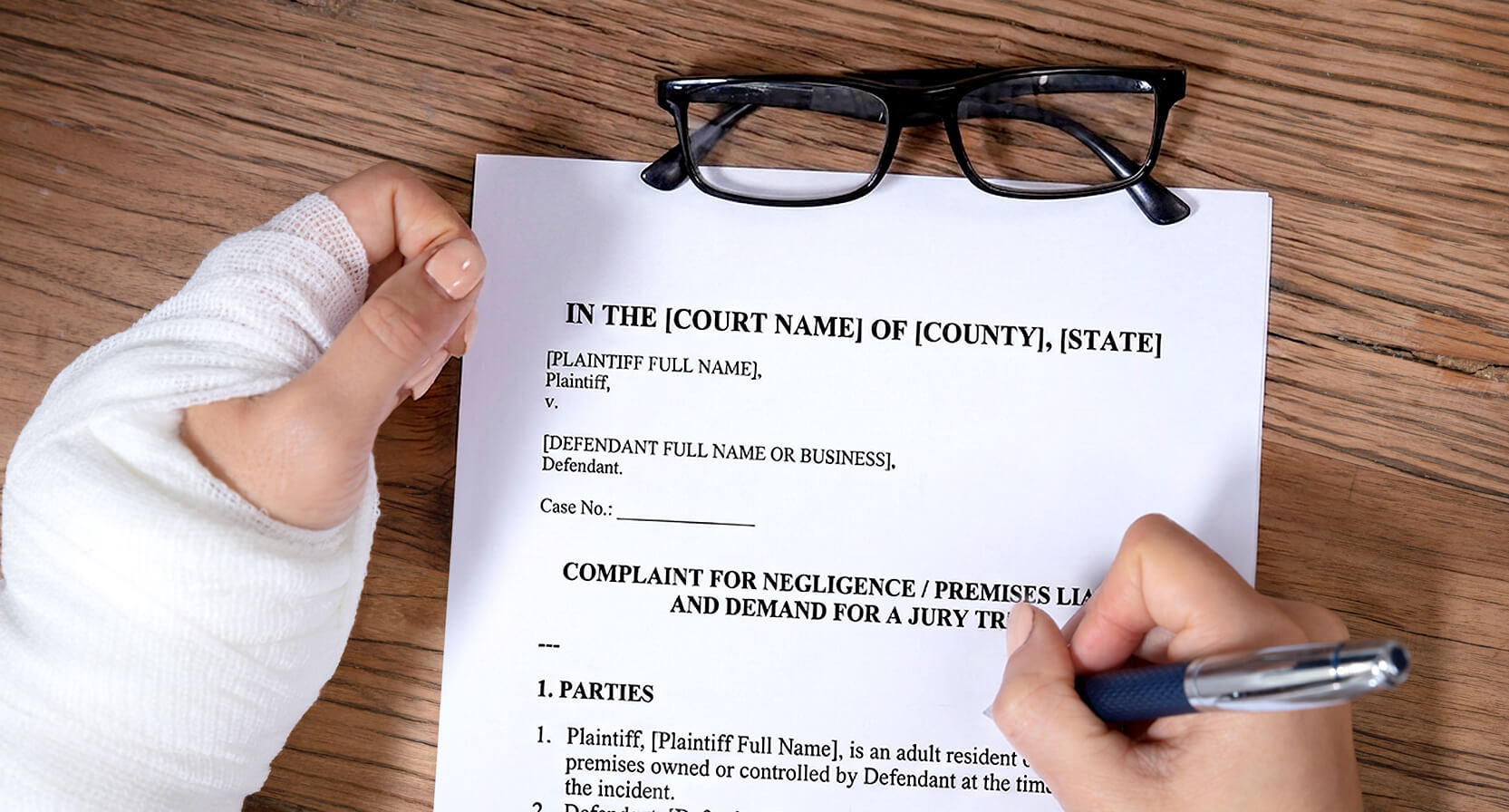
A slip and fall accident can happen almost anywhere. A person may fall on a wet floor, broken stairs, loose flooring, or an uneven sidewalk. Many people get hurt in a grocery store, a retail store, a parking lot, or another commercial property because of an unsafe premises condition. These accidents often lead to a premises liability claim.
A premises liability complaint is a legal document used in civil litigation. It explains how a plaintiff was injured because a property owner, business owner, or landlord failed to keep the property safe. The complaint also seeks damages, including medical expenses, lost wages, and pain and suffering.
This guide will help you understand how a slip and fall lawsuit works. You will learn how a civil complaint is written, what facts should be included, and how to explain negligence in a clear way. Many people search for a slip and fall complaint template, a personal injury pleading, or a premises liability lawsuit form to understand the legal process before filing a case.
What Is a Slip and Fall Premises Liability Complaint?
A slip and fall premises liability complaint is a legal document that initiates a slip and fall lawsuit in court. It tells the judge and the other side exactly what happened, who was hurt, and why the defendant should be responsible. It is part of personal injury law, where someone seeks compensation for injuries sustained on someone else’s premises.
In a premises liability case, the law says that property owners and occupiers must keep their property reasonably safe for visitors. If they fail to do this and someone is injured, that person can file a claim.
A clear premises liability lawsuit form helps a judge and the other side understand the facts and legal issues in the case. Many people use a slip and fall lawsuit or injury complaint sample as a guide to write their own complaint, ensuring they include all the important parts.
Elements Required in a Slip and Fall Complaint
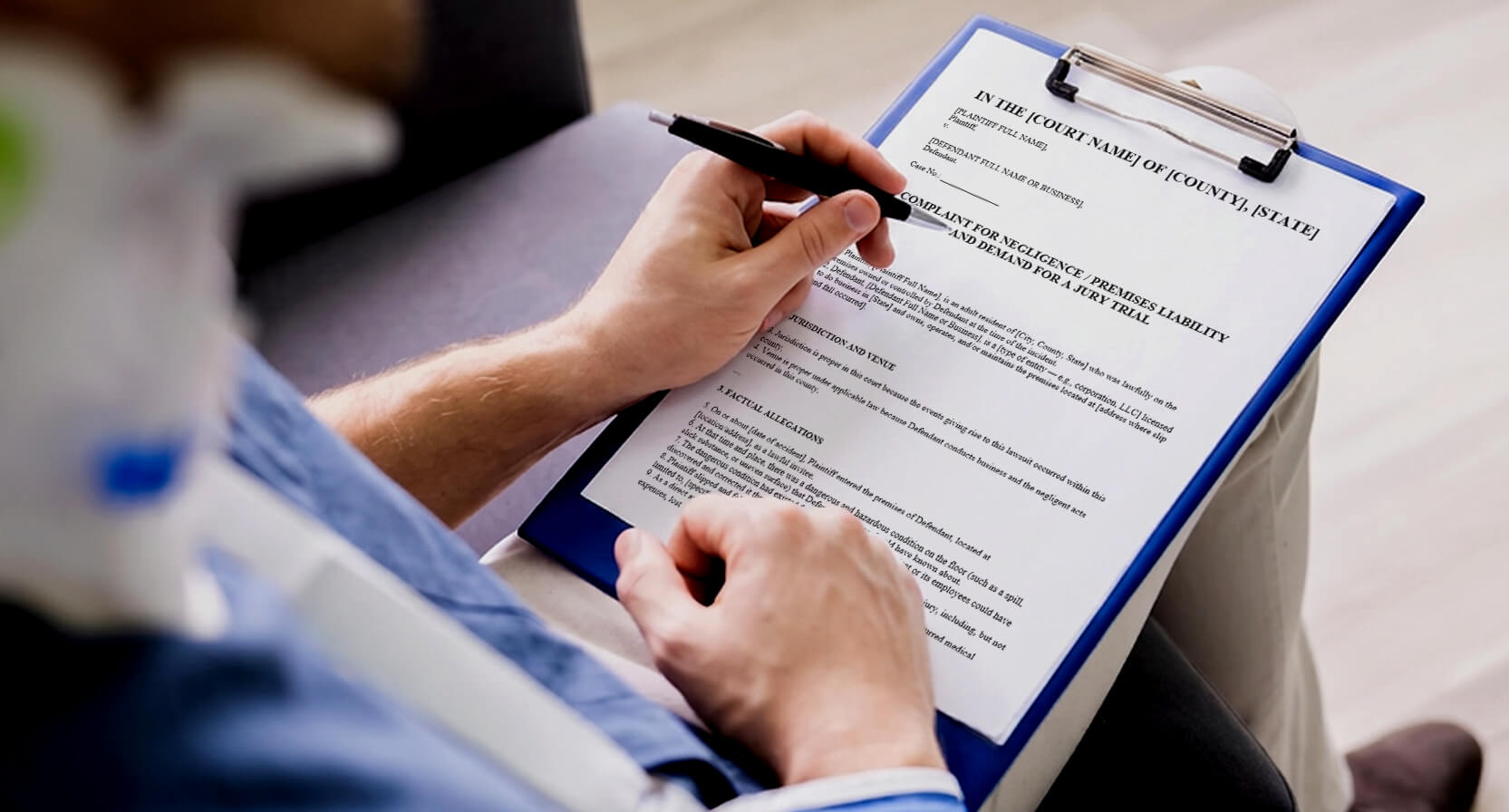
A slip and fall premises liability complaint must clearly explain the legal reasons why the defendant should be responsible for the injury. The heart of most premises liability claims is proving negligence. To do this, the complaint must include four main parts that show why the property owner or business owner is liable in court. These parts are duty of care, breach of duty, causation, and damages.
Duty of Care
A duty of care means the property owner had a legal duty to keep the premises safe for visitors. In a slip and fall lawsuit, this duty usually applies when someone is on the property as an invitee, such as a customer in a retail store or a visitor in a parking lot. The complaint should explain that the owner owed this duty to the plaintiff because it was reasonably foreseeable that someone could be harmed by unsafe premises.
Breach of Duty
A breach of duty occurs when the owner fails to act with reasonable care. The complaint must describe how the owner failed to fix a hazardous condition, failed to warn of it, or failed to properly inspect the premises. Examples may include failing to clean up a spill, allowing water to sit on the floor, or ignoring broken handrails.
Causation
Next, the complaint must show that the breach directly caused the slip and fall accident. This means explaining how the unsafe condition caused the fall and the injury suffered. The connection between the unsafe condition and the harm must be clear.
Damages
Finally, the complaint should list the injuries and losses the plaintiff suffered as a result of the fall. Common damages include medical expenses, lost wages, pain and suffering, and other costs related to the injury. This helps the court understand what compensation the injured person is seeking.
Together, these elements help explain why the defendant should be held responsible for the accident and what the plaintiff seeks in compensation. A well-written complaint uses clear facts and legal terms to make these points strong and easy for a judge or jury to follow.
Slip and Fall Premises Liability Complaint Sample
Below is a Slip and Fall Premises Liability Complaint Sample you can use as a starting point when drafting a real court filing.
IN THE [COURT NAME] OF [COUNTY], [STATE]
[PLAINTIFF FULL NAME],
Plaintiff,
[DEFENDANT FULL NAME OR BUSINESS],
Defendant.
Case No.: _______________
COMPLAINT FOR NEGLIGENCE / PREMISES LIABILITY
AND DEMAND FOR A JURY TRIAL
—
- PARTIES
- Plaintiff, [Plaintiff Full Name], is an adult resident of [City, County, State] who was lawfully on the premises owned or controlled by Defendant at the time of the incident.
- Defendant, [Defendant Full Name or Business], is a [type of entity — e.g., corporation, LLC] licensed to do business in [State] and owns, operates, and/or maintains the premises located at [address where slip and fall occurred]. :contentReference[oaicite:1]{index=1}
—
- JURISDICTION AND VENUE
- Jurisdiction is proper in this court because the events giving rise to this lawsuit occurred within this county.
- Venue is proper under applicable law because Defendant conducts business and the negligent acts occurred in this county.
—
- FACTUAL ALLEGATIONS
- On or about [date of accident], Plaintiff entered the premises of Defendant, located at [location/address], as a lawful invitee.
- At that time and place, there was a dangerous and hazardous condition on the floor (such as a spill, slick substance, or uneven surface) that Defendant knew or should have known about.
- The dangerous condition had existed for sufficient time that Defendant or its employees could have discovered and corrected it through reasonable care.
- Plaintiff slipped and fell due to this unsafe condition, causing serious bodily injury, including, but not limited to, [specific injuries suffered].
- As a direct and proximate result of Defendant’s actions and omissions, Plaintiff incurred medical expenses, lost wages, and other damages. :contentReference[oaicite:2]{index=2}
—
- COUNT I – NEGLIGENCE / PREMISES LIABILITY
- Plaintiff realleges and incorporates all preceding paragraphs as though fully set forth herein.
- Defendant owed Plaintiff a duty of care to keep the premises reasonably safe for business invitees.
- Defendant breached that duty by failing to clean, warn, or reasonably guard against the hazard.
- Defendant’s breach was a proximate and direct cause of Plaintiff’s injuries and resulting damages.
—
- DAMAGES
- As a result of Defendant’s negligent conduct, Plaintiff has suffered and seeks recovery for:
- Medical and related expenses, past and future.
- Lost earnings and earning capacity.
- Pain and suffering and emotional distress.
- All other relief allowed by law. :contentReference[oaicite:3]{index=3}
—
- JURY DEMAND
- Plaintiff respectfully demands a trial by jury on all issues so triable.
—
WHEREFORE, Plaintiff requests judgment against Defendant for damages in an amount to be determined at trial, plus costs, interest, and such other relief as the Court deems just and proper.
Dated: [Date]
Respectfully submitted,
[Plaintiff’s Attorney Name]
[Law Firm Name, if applicable]
[Address]
[Phone]
[Email]
Common Injuries in Slip and Fall Lawsuits

When someone falls on unsafe property, a slip and fall can cause injuries ranging from mild to very serious. These injuries are often part of a premises liability claim because the harm came from a dangerous condition on another person’s premises, such as a grocery store, a retail store, a parking lot, or a sidewalk. To support a premises liability lawsuit, the details of an injury in a slip and fall complaint must be clear so the court understands what happened and the damages claimed.
Broken Bones and Fractures
Breaking a bone is one of the most common serious injuries in a slip and fall. This can include fractured wrists, arms, legs, hips, or ribs. These injuries often require medical care, surgery, and a long recovery time, which can lead to higher medical expenses and lost income.
Head Injuries
A slip and fall can cause someone to hit their head on the floor or a hard surface. Head injuries range from minor bumps and cuts to more serious conditions such as concussions or traumatic brain injury (TBI). Head injuries may have long-term effects and should always be evaluated by a doctor.
Back and Spine Trauma
Falls can also cause injuries to the back, neck, or spine. These injuries may include sprains, herniated discs, or spinal cord damage. Back injuries can lead to chronic pain, lost mobility, and high treatment costs.
Soft Tissue Damage
Soft tissues include muscles, tendons, and ligaments. Slip and fall victims often suffer strains, sprains, bruises, and torn tissues in areas like the shoulder, knee, or ankle. These injuries may not be visible on X-rays but can still cause significant pain and require physical therapy.
Cuts and Abrasions
Falling on a rough surface may cause cuts and scrapes. Although these injuries may be minor compared to broken bones, they can still lead to infection or scarring and may be included in a personal injury complaint sample when documenting all injuries from the accident.
Emotional and Psychological Effects
Beyond physical harm, slip and fall accidents can cause fear, anxiety, or stress. Emotional distress can be part of the pain and suffering damages claimed in a premises liability lawsuit if the injury affects the person’s daily life or ability to enjoy activities.
What Evidence Helps Win a Slip and Fall Case
To win a slip and fall lawsuit, you must prove that the property owner or business owner was negligent and that their failure to keep the premises safe caused your injuries. Collecting strong evidence early can make your premises liability claim much stronger.
Photos and Videos of the Hazard
Taking pictures or videos of the unsafe area, such as a wet floor, cracked sidewalk, or broken stairs, shows what caused the fall. Include images of the hazardous condition, the surroundings, and your injuries right after the accident.
Surveillance Footage
Security camera video can show how the accident happened and how long the hazard existed before you fell. This helps prove that the owner knew, or should have known, of the danger.
Incident Reports
If the business or property manager made a written accident report, get a copy. These reports record the date, time, and details of your fall and can support your injury claim.
Witness Statements
People who saw your fall can give statements about what happened. Neutral witness accounts help confirm the unsafe conditions on the premises and the circumstances of the fall.
Medical Records and Bills
Your medical records show the injuries you suffered and link them to the accident. Bills and treatment notes also help calculate your medical expenses and other damages you may claim.
Maintenance and Inspection Records
Documents that show the history of repairs, cleaning, and inspections can prove whether the property owner ignored hazards. If a condition existed for a long time without repair, it supports evidence of negligence.
Proof of Lost Wages and Other Losses
If your injuries made you miss work, include pay stubs, employer letters, or tax records to prove lost wages and financial harm.
Expert Testimony
In some cases, experts (such as safety inspectors or medical professionals) explain how the dangerous condition existed or how the fall caused your injuries.
Your Own Notes
Keeping an injury diary helps you record how your injuries affect your daily life. This can support claims for pain and suffering and emotional distress in your premises liability lawsuit.
How Much Is a Slip and Fall Case Worth?
When someone files a slip and fall lawsuit or a premises liability claim, one big question is how much compensation they might receive. There is no single answer because every case is different, but most payouts fall within certain ranges based on real cases and settlement data.
Typical Settlement Ranges
- Many slip and fall cases settle for between $10,000 and $50,000. This range covers many moderate injuries, such as broken bones or significant sprains, and accounts for medical expenses, lost wages, and pain and suffering.
- Some data shows the average settlement is around $30,000.
- Minor injuries that heal quickly may result in lower settlements, often under $15,000.
- More serious cases, such as those involving traumatic brain injuries, hip fractures, or long-term disability, can reach hundreds of thousands of dollars or more, especially if the injuries cause lasting effects.
What Affects Case Value
The value of a premises liability lawsuit depends on several key factors:
- Severity of Injuries: More serious injuries that require surgery, lengthy recovery, or long-term care usually increase a case’s value.
- Medical Expenses: The total cost of past and future medical treatment is a major component of the claim value.
- Lost Wages: Time away from work and loss of earning capacity increase settlement amounts.
- Pain and Suffering: These non-economic damages are harder to measure but are part of what you can seek from a slip and fall settlement.
- Negligence Evidence: Strong proof that a property owner failed to fulfill the duty of care owed to visitors increases the likelihood of a higher payout.
- Comparative Fault: If the injured person is partly at fault, this can reduce the total compensation depending on state law.
Filing Deadlines for Premises Liability Claims
When you file a slip and fall premises liability complaint, you must follow strict legal deadlines set by law. These deadlines are called the statute of limitations. If you wait too long to file your premises liability lawsuit, the court may refuse to hear your case, and you may lose your right to damages, even if the property owner was clearly at fault.
What Is the Statute of Limitations?
A statute of limitations is a law that sets a time limit for filing a lawsuit after an accident. For most slip and fall or premises liability cases, this deadline begins on the date of your injury.
Most states have a set period of time, usually 1 to 4 years, to file a personal injury claim, such as a slip and fall lawsuit. The exact time limit depends on the state where the accident occurred.
Typical Time Limits
- Many states give you two to three years from the date of the accident to file your complaint.
- Some states allow only one year.
- A few states allow filing for 4 or more years.
These timelines mean that if you file your slip and fall case even one day after the deadline, the court may dismiss your lawsuit.
Government-Owned Property Rules
If the accident occurred on government property (such as a public park or city sidewalk), special rules often apply. You may need to file a formal notice of claim much sooner, sometimes in months rather than years.
Exceptions That Affect Deadlines
Some exceptions can extend or pause the filing deadline:
- If the injured person was a minor, the clock may not start until they turn 18.
- If the injury was not immediately discovered, some states may start the deadline when it is discovered.
- Other exceptions may apply in special cases under state law.
These exceptions, called tolling rules, can delay the statute of limitations in certain situations.
Why Filing On Time Matters
Meeting the filing deadline is crucial because once the statute of limitations runs out, most courts will not allow your premises liability lawsuit to move forward, even if the owner was clearly negligent.
To protect your rights, it is best to start the legal process as soon as possible after your slip and fall injury and to be sure you know the deadline that applies in your state.
Defenses Property Owners Commonly Use
When a premises liability lawsuit is filed, the defendant and their insurance company will try to show why they should not be held fully responsible for your slip and fall injuries. There are several common legal defenses that can reduce or even block your ability to recover damages. Understanding these defenses helps you prepare a stronger slip and fall complaint and evidence to counter them.
1. Comparative or Contributory Negligence
Property owners often argue that the plaintiff was partly at fault for the accident. Under comparative negligence, the court may reduce your compensation by your share of liability if you also acted carelessly, such as not watching where you were walking. In some states with contributory negligence rules, even minimal fault by the injured person can bar recovery entirely.
2. Open and Obvious Hazard
Another defense is that the dangerous condition was “open and obvious.” This means the owner claims the hazard, such as a raised tile or a wet floor, was easy to see and that a reasonable person should have avoided it. If the hazard was obvious, the owner may argue that they owed no duty to warn.
3. Lack of Notice
To be liable, a property owner usually must have known or reasonably should have known about the hazard. Owners may argue they had no actual notice (they did not know) and no constructive notice (no reasonable way to discover it in time) before the accident happened.
4. Assumption of Risk
Property owners may claim that you voluntarily assumed the risk of injury by knowingly encountering a dangerous situation. For example, if warnings were clearly posted and you still walked into the hazard, this defense could limit or block recovery.
5. No Duty Owed
In some cases, the owner may argue that they did not owe you a full duty of care. Duty depends on the visitor’s status. For instance, a trespasser usually receives much less protection than a customer in a retail store or a guest on private property.
6. Statute of Limitations
Defendants often use the failure to file a slip and fall complaint within the legal time limit (the statute of limitations) as a defense. If the lawsuit is filed too late, the court may dismiss the case regardless of the facts.
7. Trivial or Minor Defect
Sometimes a defense claims the condition was so small or trivial that it did not create an unreasonably dangerous condition, like a minor crack or slight bump that a reasonable person would easily avoid.
These defenses are common in premises liability litigation and underscore why strong evidence is critical in a slip and fall case. Gathering evidence such as photos, witness statements, maintenance logs, and clear medical records helps counter these arguments and strengthen your claim.
Frequently Asked Questions
What is a slip and fall case?
A slip and fall case is a type of premises liability claim. It occurs when someone is injured after slipping, tripping, or falling on another person’s premises due to an unsafe condition, such as a wet floor or an uneven surface. To have a valid claim, you must show the owner was negligent and that caused your injury.
Who can be held liable?
The property owner, business owner, lessee, or other party in control of the property may be liable if they failed to keep the premises safe or to warn of dangers.
What must I prove in a slip and fall claim?
To win, you must show:
- The owner owed a duty of care to keep the premises safe
- They breached that duty by ignoring a hazard
- The breach caused your fall and injury
- You suffered damages like medical expenses or lost wages
How long do I have to file a lawsuit?
Each state has a statute of limitations, which sets the deadline to file your slip and fall complaint. This period varies but is typically between 1 and 4 years after the injury. It’s important to act quickly so your case is not dismissed.
Can I still recover if I was partly at fault?
In many states, yes. Under comparative negligence rules, you can still get compensation even if you share some fault, but your award may be reduced. In a few states with contributory negligence, any fault could bar recovery.
Do I need evidence to prove my claim?
Yes. Evidence like photos of the hazard, witness statements, surveillance video, incident reports, and medical records makes your claim stronger and helps show negligence.
What compensation can I get?
If successful, you may recover:
- Medical expenses
- Lost wages
- Pain and suffering
- Future care costs
This depends on the severity of your injuries and the impact on your life.
Should I report the accident right away?
Yes. Reporting the fall to the owner, manager, or staff, and obtaining a copy of the accident report, helps protect your rights and supports your claim later.