After the Crash: 7 Critical Steps to Protect Your Personal Injury Claim

In the chaos that follows a car accident, knowing what to do next can make all the difference. At The Hadi Law Firm, we’ve seen firsthand how the right steps taken immediately can mean the difference between a dismissed claim and a successful settlement. Here’s what every accident victim in Texas should know:
1. Prioritize Safety and Medical Attention
Your health comes first. Move to a safe location and call 911. Even if you feel “fine,” adrenaline can mask serious injuries. A medical record is also essential for your legal claim.
2. Call the Police and File a Report
A police report is critical evidence. It documents the scene, assigns fault, and creates an official timeline.
3. Gather Key Evidence
If you’re able, take photos of:
- Vehicle damage
- Road conditions
- License plates
- Any visible injuries
- Also, collect witness information. Their testimony can make or break your claim.
4. Don’t Admit Fault – Even Accidentally
Even saying “I’m sorry” can be misinterpreted. Let the facts speak for themselves, and let your attorney handle communication.
5. Inform Your Insurance Company (Cautiously)
You are required to report the accident, but don’t give a recorded statement or accept any settlement before speaking to a personal injury attorney.
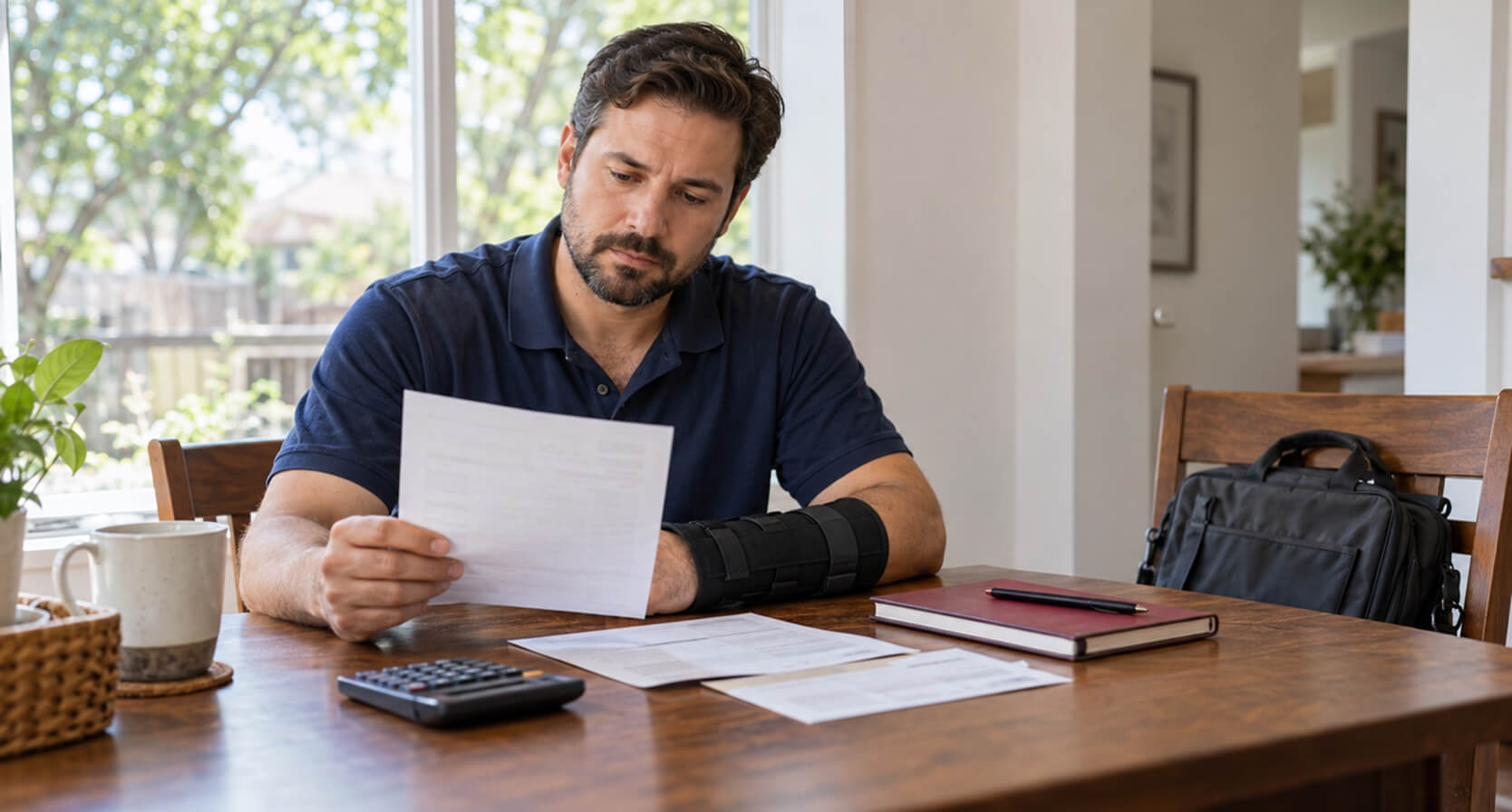
6. Document Everything
Start a folder with:
- Medical bills
- Missed workdays
- Treatment summaries
- Correspondence with insurers
This documentation strengthens your case.
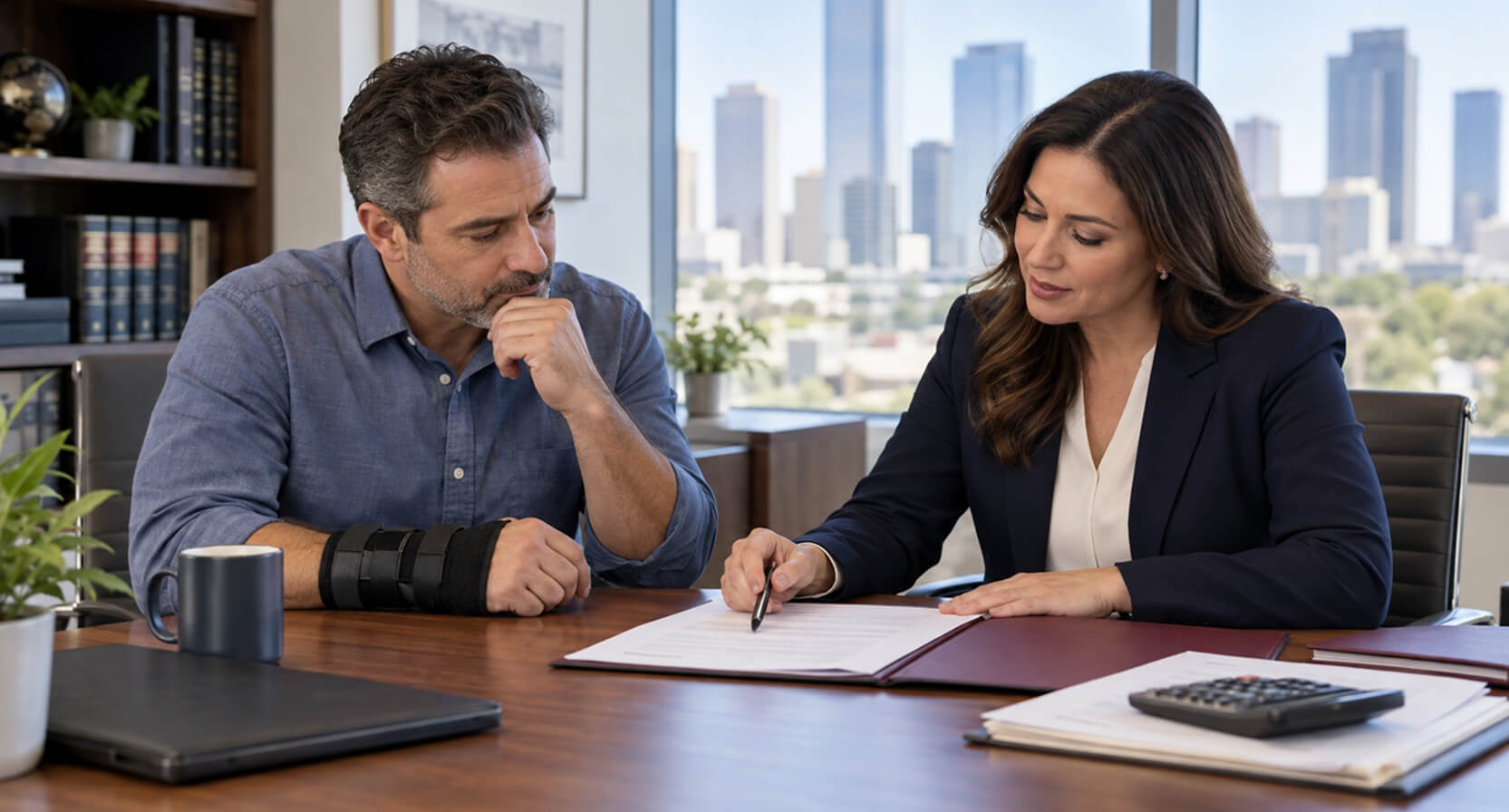
7. Contact an Experienced Personal Injury Lawyer
Our legal team at The Hadi Law Firm is here to fight for maximum compensation, so you can focus on healing. We’re not just your lawyers. We’re your advocates from day one.
Injured in Houston? Call us today for a free consultation.