
Hospital Medical Negligence Complaint Letter Template

A hospital medical negligence complaint letter is a written message you send to a hospital when you feel the care you or a loved one received was below the standard you expected. This kind of letter helps you explain what went wrong so the hospital can investigate and respond appropriately.
People write these letters for many reasons. You might have been hurt because of a medical error or misdiagnosis, you may have had a delay in treatment or poor communication, or you might have seen unsafe conditions. Writing a clear letter provides the hospital with an opportunity to understand your experience and take action.
This article will help you know when to write a letter, what to include, and how to organize your thoughts so your concerns are heard. You will also find example formats and guidance on how to send the letter to the appropriate recipient.
What Is Medical Negligence?
Medical negligence occurs when care provided by a doctor, nurse, or hospital falls below the standard expected, resulting in harm to the patient. It is more than a simple mistake or poor outcome. It occurs when a healthcare provider fails to provide the level of care that a reasonably careful professional would provide in the same situation, resulting in injury or loss.
For medical negligence to have occurred, several conditions must usually be met. There must be a duty of care, meaning that the hospital or healthcare worker agreed to care for the patient. There must then be a breach of duty, meaning that the care provided fell below acceptable standards. Next, that breach must be shown to have directly caused injury. Finally, the patient must have suffered actual harm, such as more medical costs, pain, or loss of income.
Medical negligence encompasses a range of problems. For example, a missed or delayed diagnosis, a surgical error, administering the wrong medication, or failing to recognize serious symptoms can all constitute negligence if they cause harm.
Not every poor medical result is negligence. If a procedure has known risks and an adverse outcome occurs despite proper care, it may not constitute negligence. The focus is on whether the healthcare provider failed to meet the accepted standard of care.
Understanding what medical negligence means can help you decide whether you should write a formal complaint letter or take other steps to address the issue.
When to Write a Complaint Letter to a Hospital
You should write a complaint letter to a hospital when something serious went wrong in the care you or someone you care for received. A formal written complaint informs the hospital administration and the Patient Relations Department of exactly what happened, enabling them to investigate and respond.
Here are common situations when writing a complaint letter makes sense:
- Medical mistakes or errors that caused harm or could have caused harm.
- Misdiagnosis or delayed treatment that made a condition worse or caused extra tests or visits.
- Poor communication from doctors, nurses, or other staff when you needed clear information.
- Unsafe or unsanitary conditions at the hospital that could affect health or recovery.
- Unprofessional behaviour by hospital staff, including rudeness or lack of respect.
- Billing errors or disputes over charges or insurance issues.
You may also decide to write a letter if you have already spoken with hospital staff but the issue remains unresolved. A written complaint creates a clear record of what you experienced and what you think should happen next.
Typically, hospitals expect to receive a complaint in writing so they can properly document it and initiate an internal investigation or review. Sending a clear, factual letter can help ensure that your concerns are taken seriously and recorded for action.
Before You Start: Gather Essential Information
Before you begin writing your hospital medical negligence complaint letter, it is important to collect the key facts and documents about what happened. Having good information makes your letter clearer and easier for the hospital or other reviewers to understand and act on. It also helps if you need to follow up or take further steps later.
Here are the main details you should gather:
- Your information: Write your full name, address, phone number, and email so the hospital can contact you.
- Patient details: If you are writing for yourself or someone else, include the patient’s name, hospital identification number, and date of birth.
- Hospital and staff names: Note the name of the hospital or clinic, the department where the issue happened, and the names of doctors, nurses, or other staff involved.
- Incident dates and places: Be specific about when and where the problem happened. For example, include dates, times, and locations, such as the emergency room or a specific ward.
- Detailed description of events: Write a simple list or timeline of what happened step by step. This will make your complaint clearer and more factual.
- Supporting documents: Collect copies of relevant medical records, test results, discharge summaries, prescriptions, hospital bills, and emails or letters you exchanged with staff.
- Other evidence: If there are witnesses or photographs related to the incident or the harm caused, note them or attach them.
- Notes on impact: Provide brief notes on how the issue affected health, well-being, or daily life. This helps explain why you are writing the complaint.
Taking time to gather these facts first will make it easier to write a clear and strong complaint letter.
How to Format a Complaint Letter (Structure)

When writing your hospital medical negligence complaint letter, it is helpful to follow a clear, simple format so the reader can understand your concern and act on it. A well-structured letter is easier to read and increases the likelihood that the hospital will respond.
1. Your Contact Information
Start with your full name, address, phone number, and email at the top of the page. This lets the hospital reach you easily. Then add the date you are writing the letter.
2. Recipient Details
Below your information, write the name of the hospital and the department you are addressing. This could be the Patient Relations Department or Hospital Administrator. If you know the name of a specific person, include it.
3. Subject Line
Add a short subject line that shows the purpose of your letter. For example:
Subject: Formal Complaint Regarding Medical Care at [Hospital Name] on [Date]
This informs the reader what the letter is about before they read the body.
4. Opening Paragraph
In the first paragraph, say why you are writing. Be clear and polite. Write that you are submitting a formal complaint and briefly state what happened. For example, you can include the treatment date, location, and a brief summary of the issue.
5. Body Paragraphs
Use the next paragraphs to describe what happened. Keep your writing fact-based and simple:
- Explain step by step what you experienced.
- Include dates, times, and names of staff if you know them.
- Describe how the care was below the standard you expected.
- Say how it affected the health, feelings, or finances of the person involved.
- Attach any supporting items like medical records, bills, or test results.
Avoid using harsh language. Write as if you are explaining the situation to someone who was not there.
6. What You Want to Happen
After describing the situation, clearly state what you want the hospital to do. You might ask for:
- A full review of what happened
- An explanation or written response
- A correction to medical records
- A meeting with hospital staff
- A refund or other remedy
This helps the hospital know how to respond.
7. List of Attached Documents
At the end of the body, list any documents you are including with your letter. For example, medical records, bills, photos, or notes. This tells the reader what evidence you are providing.
8. Closing
End your letter with a polite closing and sign your name. You can write something like:
Thank you for your attention to this matter. I look forward to your response.
Then sign your name and print your name below the signature.
Free Complaint Letter Templates
In this section, you will find simple sample complaint letter formats that you can use or adapt when writing your own complaint to a hospital. A clear template can help you organize your thoughts and make sure you include key details, such as what happened, when it happened, and what you want the hospital to do in response. Many of the templates below follow the standard formats used by professionals and patient advocates.
1. General Hospital Medical Negligence Complaint Template
Here is a basic structure you can use for most situations where you believe there was a problem with care:
Your Name
Your Address
City, State, ZIP
Email Address
Phone Number
Date
Hospital Name
Hospital Address
City, State, ZIP
Subject: Formal Complaint Regarding Medical Care
Dear Hospital Administrator or Patient Relations Officer,
I am writing to raise a concern about the treatment I received at your facility on [Date]. During my visit, I experienced care that I believe fell below the expected standard. Specifically, [brief description of what happened].
This caused [impact on health or well-being]. I have attached [list of supporting documents].
I request a full review of this matter and a written response outlining the steps you will take to address this issue.
Thank you for your attention.
Sincerely,
[Your Printed Name]
This format helps you state your concern, detail the issue, and request a response clearly.
2. Template for Complaint About Poor Treatment or Mistakes
If your concern is about a specific kind of care problem, like a mistake or error, you can tailor your wording:
Your Full Name
Address
City, State, ZIP
Phone
Date
Chief Medical Officer
[Hospital Name]
[Hospital Address]
Subject: Formal Complaint Regarding Medical Treatment
Dear Chief Medical Officer,
I am writing to formally complain about the medical treatment I received at [Hospital Name] on [Date]. While under care, the treatment did not follow expected practices, resulting in [brief description of the issue].
This experience has caused [impact]. I request a review of my case and a written response detailing corrective actions.
Thank you for taking the time to address my concerns.
Sincerely,
[Your Name]
This helps keep your complaint focused and professional.
3. Template for Complaint About Administrative or Billing Issues
If your issue is related to hospital bills, insurance, or administrative problems, this structure can help:
Your Name
Address
City, State, ZIP
Phone
Date
Hospital Billing Office
[Hospital Name]
[Hospital Address]
Subject: Complaint Concerning Billing Issue
Dear Billing Manager,
I am writing to express my concern about charges on my bill from [Hospital Name] dated [Date]. After reviewing the bill, I noticed [describe the issue].
I have attached copies of the charges and related documents. Please review the charges and provide a corrected bill or explanation.
Thank you for your time.
Sincerely,
[Your Name]
This helps address specific charges or errors without conflating them with other issues.
Using these templates can make your formal complaint letter easier to write. They provide a clear starting point; you can fill in your own details. Adjust the wording to best fit your situation, and be sure to attach any supporting evidence, such as records, bills, or test results, to strengthen your request for review.
Where and How to Send Your Complaint
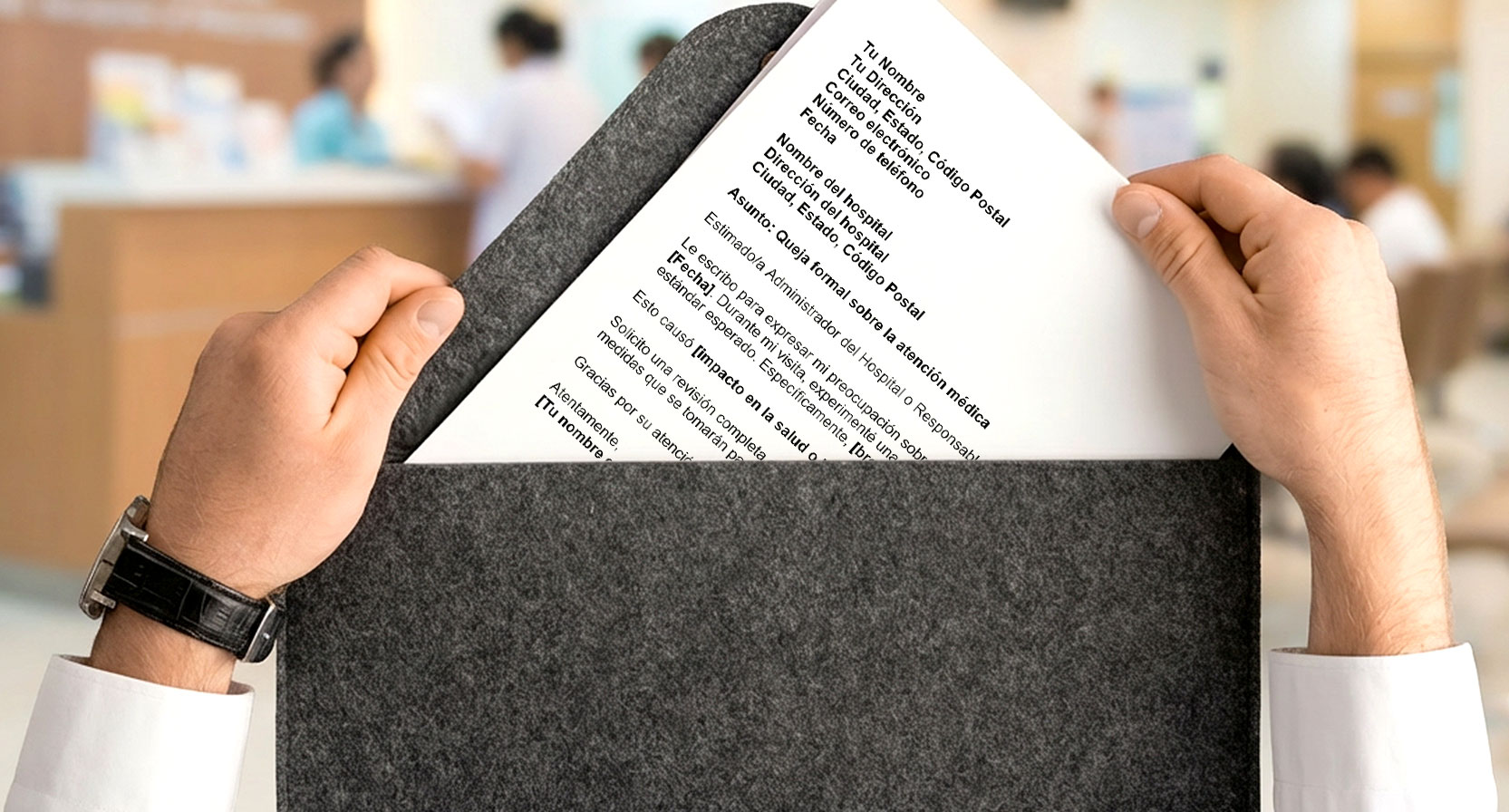
After you complete your hospital medical negligence complaint letter, you need to send it to the appropriate department so it can be reviewed and addressed. A properly delivered complaint has a much better chance of getting a response and being resolved.
Send it to the Hospital First.
The first place to send your letter is the hospital itself. Most hospitals have a team or office that handles patient concerns:
- Patient Relations Office or Medical Quality Office – This is often the main place where letters are reviewed.
- Risk Management Office – For issues related to serious mistakes or safety problems.
- Medical Records or Administration – If you are unsure which office to use, ask the hospital receptionist or check the hospital website for the correct address and contact details.
You can deliver your complaint letter in different ways:
- By Mail: Send it via postal mail to ensure a delivery record. If possible, use registered or certified mail with a return receipt.
- In Person: Bring your letter to the hospital’s complaint department and ask for a stamped copy showing the date and time you submitted it.
- Online Portals or Email: Many hospitals now offer online complaint forms or email addresses for complaints. Check the hospital’s website or official public notices for this option.
Follow Local or National Complaint Channels
If you do not get a reply or if the response is not satisfactory, there are other ways to submit your complaint:
- Government Health Departments – You may send your letter to your local health or hospital regulator responsible for quality and safety. This can be a health department or ministry in your area.
- Patient Safety or Certification Bodies – In some countries, organizations such as the Joint Commission accept patient safety complaints regarding accredited hospitals.
- Online Complaint Systems or Public Health Hotlines – Many regions have government websites or phone lines through which you can submit your complaint and supporting documents.
Keep Records of Your Submission
Wherever you send your complaint, try to keep:
- A copy of your letter and all attachments
- The date you sent it
- Proof of delivery or any confirmation messages
Keeping good records helps if you need to follow up later or escalate your complaint.
After You Send It
Once you have sent your hospital medical negligence complaint letter, there are a few things you can expect and steps you can take to follow up. These help ensure your concerns are heard and addressed.
Wait for an acknowledgement.
Many hospitals will send a brief note to confirm receipt of your complaint. This shows your letter is on record and will be reviewed. If they do not send an acknowledgement within a week or two, you may call the hospital’s Patient Relations Department to follow up.
Response time may vary.
What the response might include
A written reply often explains:
- That your complaint was investigated
- What steps did the hospital take, or will it take, to review the issue
- Any changes planned to prevent similar problems
- Contact information for someone you can follow up with if needed
Follow up if you do not hear back.
If you do not receive a response by the expected date, you can:
- Call the hospital office you sent your letter to
- Send a polite follow-up message asking for an update
Keeping a record of all letters, emails, and calls can help you take the next step.
Escalate if needed
If the response is unsatisfactory or you do not receive one, you may consider escalating your concern to a higher authority. This might include a government health regulator, a medical board, or a patient safety organization that oversees quality of care. Some people also consult a lawyer if they are considering further action, such as a formal claim.
Being patient but firm in following up increases the likelihood that your concerns will be taken seriously and addressed. It also helps create a clear record of your complaint and the hospital’s response.
FAQs
Here are common questions people ask when writing a hospital medical negligence complaint letter, along with clear answers to help you understand what to do next. The information below is based on expert guidance on writing complaint letters.
What should I include in my complaint letter?
Your letter should clearly explain:
- What happened with dates and places
- Who was involved, such as doctors, nurses, or other staff
- How the experience affected you or the patient
- Any steps you already taken to resolve the issue
- What do you want the hospital to do in response?
You can also attach copies of medical records, bills, test results, and other documents that support your case.
Where should I send my complaint?
First, send your letter to the hospital’s Patient Relations Department or complaints office. If you know the name of the Hospital Administrator or department head, address it to them. If the hospital does not respond, you may submit your concern to a health regulator or a patient advocacy body.
How long will it take to get a reply?
Hospitals typically aim to respond in writing within 14 to 30 days of receiving a complaint. If you do not hear back by then, consider following up with a polite reminder or phone call.
May I request compensation in my complaint?
Yes. If you believe medical negligence caused harm, you can request compensation or a review of charges as part of your complaint. Some people also consult a lawyer if they plan to pursue legal action.
Can I send the complaint by email?
Yes. Many hospitals accept complaints by email or through an online form on their website. Ensure your message includes all relevant details and attachments.
What if the hospital ignores my complaint?
If you do not receive a response, or the response is not satisfactory, you can:
- Please follow up and request an update.
- Escalate to a higher authority such as a healthcare regulator, medical board, or patient safety organization.
- Seek advice from a lawyer if you plan to pursue a formal claim.
Should I speak to the staff before writing the letter?
Sometimes talking to the doctor, nurse, or hospital representative can resolve the concern quickly. However, if the issue is serious or unresolved, filing a formal complaint ensures it is officially documented and reviewed.